Building the Future Manufacturing Workforce Starts in High School
How early exposure, hands‑on learning, and industry partnerships are shaping the next generation of manufacturers
Manufacturers across South Dakota and the nation continue to face workforce shortages, an aging labor pool, and increasing competition for skilled talent. Addressing these challenges requires more than recruiting experienced workers—it requires early engagement, education, and awareness of modern manufacturing careers. Helping students understand what manufacturing looks like today is a critical step toward building a sustainable workforce.
The Industry Challenge or Opportunity
One of the most persistent challenges facing manufacturers is the limited visibility students have into manufacturing careers while they are still in school. Many students—and parents—continue to associate manufacturing with outdated perceptions, unaware of the wide range of high‑skill, technology‑driven, and well‑paying career paths available.
At the same time, manufacturers are seeking workers who are curious, adaptable, and comfortable with problem‑solving, technology, and teamwork. This creates a clear opportunity: engage students earlier, provide hands‑on exposure, and connect education with real‑world manufacturing environments.
Key Insights or Learning Outcomes
Manufacturers and educators who invest in early career awareness often see meaningful benefits, including:
- Increased student interest in technical and manufacturing career pathways
- Better alignment between education programs and industry needs
- Stronger pipelines of motivated, work‑ready graduates
- Improved understanding of modern manufacturing technologies and roles
- Long‑term workforce sustainability for local manufacturers
After reading this, manufacturers should recognize that workforce development starts well before hiring—and that early engagement plays a critical role in long‑term talent availability.
Practical Application: What This Looks Like in Practice
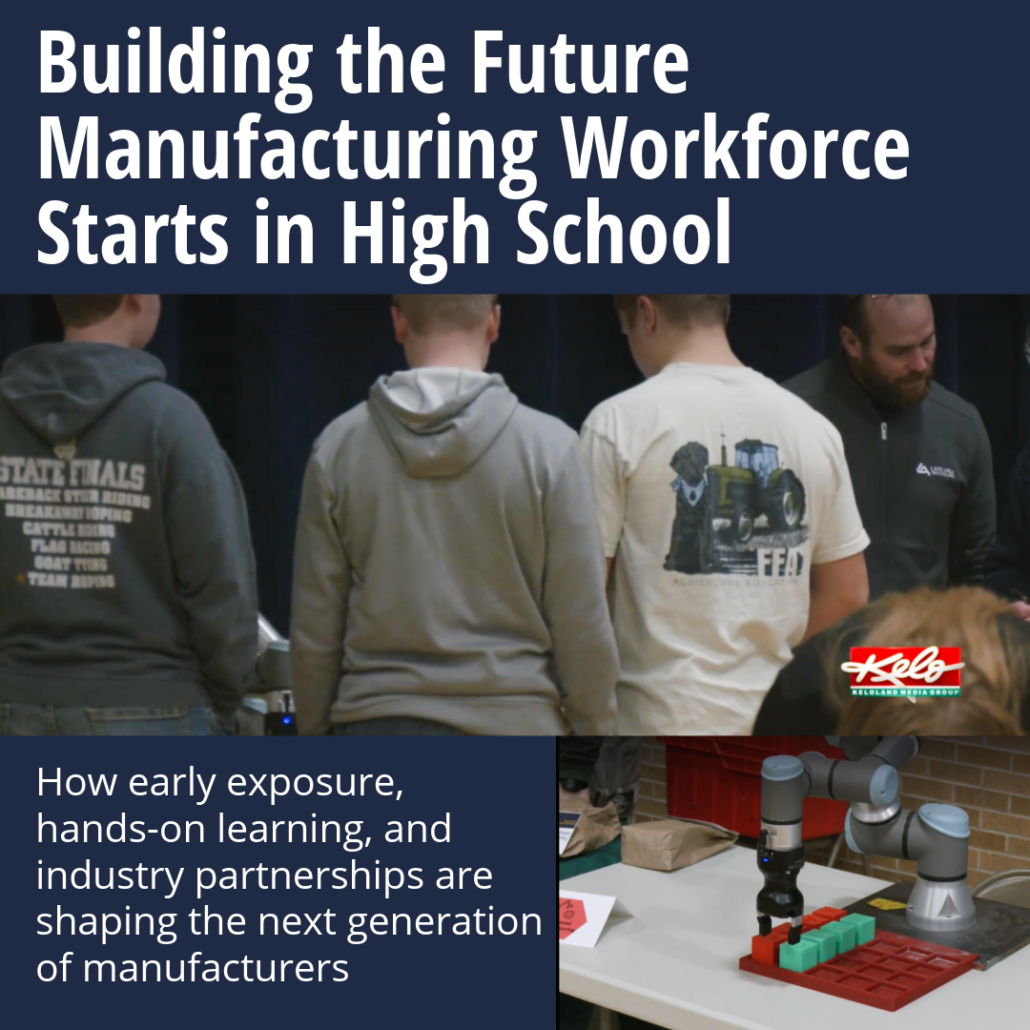
A recent example of this approach in action was a career fair at Sioux Valley High School, where SD Manufacturing & Technology Solutions partnered with Solventum to help students explore manufacturing careers firsthand. Through direct interaction with industry professionals, students were able to ask questions, see real‑world applications, and better understand how classroom learning connects to manufacturing environments.
Beyond career fairs, this same hands‑on, experiential learning approach shows up through initiatives such as maker camps, where students build, create, and problem‑solve using manufacturing‑related tools and technologies. Programs like What’s So Cool About Manufacturing further reinforce these concepts by helping students explore local manufacturers, understand different roles, and share what they learn with their peers and communities.
Organizational Perspective or Expertise
Through ongoing work with manufacturers, schools, and community partners across South Dakota, SD Manufacturing & Technology Solutions consistently sees the impact of early exposure and applied learning. When students are introduced to manufacturing careers before graduation—and are shown the variety of paths available—they are more likely to pursue technical education, apprenticeships, and long‑term careers in the industry.
What’s Next
Manufacturers interested in strengthening their workforce pipeline can explore opportunities to engage with students through career fairs, classroom visits, facility tours, and youth‑focused programs. Continued collaboration between industry, education, and workforce organizations is essential to building a resilient manufacturing workforce.
